
Why Did Humans Start Farming? It Made Everything Worse
The Population Trap
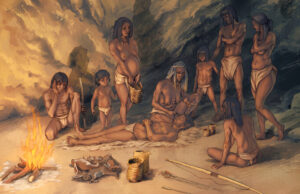
One of the strongest explanations for the agricultural transition is population pressure. For most of human history, hunter-gatherer populations remained relatively small. People could move when local resources became scarce, and their food supply depended on the availability of wild animals and plants. But around the end of the last Ice Age, environmental conditions began changing. Warmer temperatures transformed ecosystems, while certain regions became increasingly rich in wild grains and other edible plants.
These resources could support larger communities, particularly when people began settling in one place. More reliable food supplies encouraged population growth. More people, however, meant greater demand for food.
Eventually, hunting and gathering could no longer support everyone in some increasingly populated regions. Cultivating plants offered a way to produce more calories from a limited area of land. Farming became increasingly attractive because it could feed a growing population, even if individual farmers had to work harder and eat less varied diets.
This created a feedback loop. More food supported more people, and more people required even more food production. The population boom that agriculture made possible gradually made abandoning agriculture increasingly difficult.