
Some Animals Can Regrow Almost Their Entire Bodies. Why Can’t We?
Cut a salamander’s leg off, and something extraordinary happens. The wound does not simply close. Cells at the injury site reorganize, multiply and begin rebuilding the missing limb. Bone returns. Muscle returns. Nerves and blood vessels return. Given enough time, the animal can emerge with a limb that looks remarkably like the one it lost.
Some animals can take regeneration even further. Starfish can rebuild missing arms, while flatworms can regenerate enormous portions of their bodies. Humans, meanwhile, are remarkably poor at it. Lose the tip of a finger and, under limited circumstances, some tissue can return. Lose most of a limb and the body closes the wound with scar tissue.
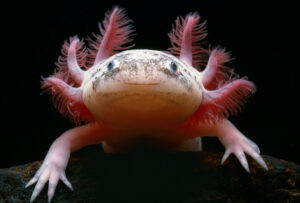
Why did evolution give some animals this extraordinary ability while leaving humans with a biological repair system that largely stops at scarring? Aristotle was already fascinated by the question more than 2,000 years ago. In 2026, researchers are beginning to uncover an answer—and it suggests that mammals may possess more regenerative potential than anyone realized.