
Some Animals Can Regrow Almost Their Entire Bodies. Why Can’t We?
The strange chemistry of regeneration
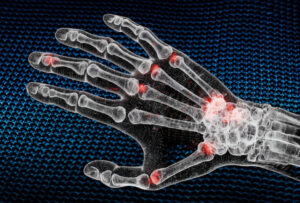
One clue comes from the environment surrounding a wound. Researchers studying regeneration have increasingly focused on two factors that might seem unrelated: oxygen and hyaluronic acid, a molecule found throughout the extracellular matrix—the material surrounding cells. The amount of oxygen available to damaged tissue can influence what cells do after an injury. Too much oxygen can push a wound toward conventional healing, while a low-oxygen environment can resemble conditions found during early development, when tissues are still highly capable of changing their identities.
In one 2026 study, researchers compared African clawed frog tadpoles, which can regenerate limbs, with embryonic mice, which normally cannot. When mouse limb tissue was exposed to lower oxygen levels, it began behaving more like regenerative frog tissue. “These experiments showed that lowering oxygen in embryonic mouse limbs can make them mimic frog tadpole limbs,” lead author Georgios Tsissios said, allowing them to activate very early regenerative responses. Hyaluronic acid appears to be part of the same puzzle. Experiments involving mice with partial finger amputations found that higher levels of hyaluronic acid in the extracellular matrix were associated with greater regeneration and less scarring.
The message emerging from this research is striking: regeneration may depend partly on the chemical environment surrounding injured cells. Change that environment, and cells that normally help build a scar may receive a very different set of instructions.