
Why Is Water So Weird? The 70+ Anomalies That Make Life Possible
Why ice floats — and why that matters
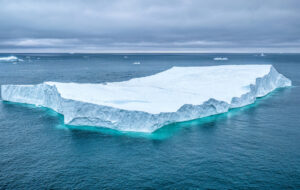
Most substances become denser when they freeze. Their molecules lose energy, move less, and settle into more tightly packed arrangements. Water does something different. As water freezes, hydrogen bonds organise its molecules into an open, hexagonal crystal structure. This arrangement occupies more space than the same molecules do in liquid water. Consequently, ice is approximately 9% less dense than liquid water and floats on its surface.
The consequences are enormous. During winter, lakes and ponds freeze from the top down. The ice forms an insulating layer, slowing the loss of heat from the water underneath. Below the surface, temperatures remain comparatively stable, allowing fish, microorganisms, and other aquatic organisms to survive.
Water also reaches its maximum density at approximately 4°C. As surface water cools towards this temperature, it sinks, helping circulate oxygen and nutrients through lakes. Once it cools further, it becomes less dense and remains near the surface, where it can eventually freeze. Without this unusual behaviour, entire freshwater ecosystems would face radically different conditions. Ice would accumulate at the bottom of lakes, and the seasonal freezing of water could make aquatic environments far less hospitable.