
The Tower of Babel: Did Humans Really Try to Build a Tower to Heaven?
A Stairway Between Earth and Heaven
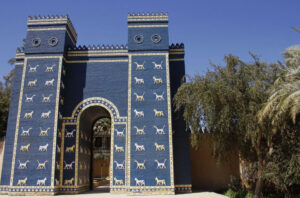
Etemenanki stood beside Esagila, the enormous temple complex dedicated to Marduk. Babylonian religious thought placed Babylon at the center of the cosmos, with Marduk’s sanctuary occupying a corresponding cosmic position. The ziggurat’s towering form made that relationship physically visible.
Ziggurats were therefore more than monumental architecture. They were sacred mountains constructed in a landscape where natural mountains were largely absent. Their elevated temples created a symbolic vertical connection between the earthly and divine realms.
Genesis takes that same idea and turns it into a story. The builders announce that they will construct a tower reaching heaven. The biblical Hebrew uses Babylonian building materials too: bricks instead of stone, with bitumen used as mortar. Those details fit the architectural world of Mesopotamia remarkably well.
The story then reverses the meaning of the monument. Babylonian kings could present a gigantic ziggurat as evidence of their ability to restore cosmic order and glorify their god. Genesis presents the human attempt to establish a monumental connection with heaven as the beginning of catastrophe.
The tower becomes a symbol of ambition.