
Apple’s First Touchscreen MacBook Is Here. But Do You Actually Need It?
The Display Is the Bigger Deal
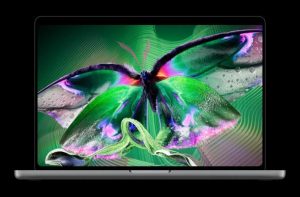
The PROLED XDR panel is arguably the most significant upgrade. Apple has introduced a tandem OLED display, using two layers of OLED technology to deliver higher brightness, deeper blacks and more consistent image quality. It reaches up to 2,000 nits of peak brightness, supports a 120Hz refresh rate and offers a claimed contrast ratio of 10,000,000:1. It also supports both P3 and Adobe RGB colour spaces, which is particularly relevant to photographers and video professionals.
In practical terms, OLED means individual pixels can switch off completely, producing much deeper blacks than a conventional backlit display. That makes a noticeable difference when watching films, working with dark images or editing HDR footage. The high brightness should also make highlights more impressive, while the wider colour support gives creative professionals more flexibility.
Apple has also introduced an optional nano-texture finish designed to reduce reflections. That’s worth considering if you regularly work near windows or under bright office lighting. Fingerprints and reflections are still things to examine in everyday use, though: a glossy touchscreen is going to receive considerably more contact than a conventional laptop display.