
The Alzheimer’s Paradox: Early Diagnosis Is Here. Effective Treatment Isn’t
Is Alzheimer’s actually one disease?
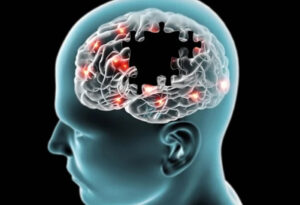
Perhaps the biggest challenge facing researchers is the growing recognition of Alzheimer’s biological complexity. Patients can develop different patterns of neurological damage, experience different symptoms, and deteriorate at dramatically different rates. Some experience memory impairment first; others develop language difficulties, visual disturbances, or changes in executive function. Genetic factors, vascular damage, immune responses, and other protein abnormalities can all influence the disease.
Research increasingly points toward distinct molecular subtypes with different biological characteristics and trajectories. This has significant consequences for treatment development. A drug targeting amyloid may help one group of patients while leaving other important mechanisms untouched. Future therapies may need to be tailored to individual biological profiles, potentially combining several treatments rather than relying on a single target.
Alzheimer’s research has entered an entirely new era. Scientists can increasingly identify the disease before its symptoms emerge, measure its underlying pathology, and intervene in mechanisms that were previously inaccessible. Yet the distance between detecting a disease and knowing how to stop it remains enormous. In 2026, medicine can see Alzheimer’s coming. It still cannot reliably prevent it from arriving.