
The Alzheimer’s Paradox: Early Diagnosis Is Here. Effective Treatment Isn’t
Tau: the next major target
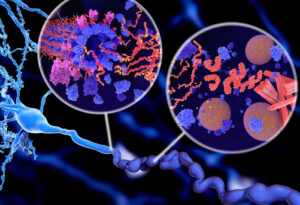
Amyloid plaques have dominated Alzheimer’s research, but another protein may be even more closely connected to the symptoms patients experience. Tau normally helps stabilize the internal structure of neurons. In Alzheimer’s, abnormal tau proteins accumulate into tangled structures that interfere with cellular function and contribute to neuronal death.
A major development came from research on the experimental therapy BIIB080, also known as diranersen. The drug uses antisense oligonucleotides to reduce production of tau protein. Exploratory PET imaging analyses reported reductions in aggregated tau across multiple brain regions following prolonged treatment. It was the first reported observation of this kind in response to a disease-modifying therapy. Detailed Phase 2 results presented in July 2026 provided further evidence that tau-targeting approaches could become an important part of future treatment strategies. The findings offer a potential alternative to the amyloid-centered approach that has dominated the field.
Other experimental approaches include anti-tau antibodies designed to interfere with the spread of abnormal proteins between neurons. Researchers are increasingly interested in targeting several pathological mechanisms simultaneously.