
Why Taking a Deep Breath Actually Works, According to Science
The Tiny Engine Behind Every Breath
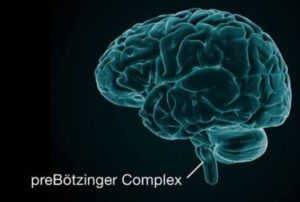
Located in the medulla oblongata, part of the brainstem, the preBötzinger complex acts as the central rhythm generator for breathing. Its neurons form an interconnected network that produces rhythmic bursts of activity, sending signals through the respiratory system to coordinate inhalation and exhalation.
The remarkable thing is how little conscious effort this requires. Breathing continues while you sleep, watch a film, or become absorbed in a difficult problem. At the same time, the rhythm can adapt almost instantly to changing demands. Exercise increases your breathing rate. Fear can make it shallow and rapid. A deliberate deep breath can interrupt the pattern.
A 2026 projection atlas of the preBötC mapped the excitatory and inhibitory connections that allow this small neural oscillator to respond to signals from across the nervous system. These pathways help explain how breathing can be adjusted according to physical activity, emotional states, and conscious intention. The same respiratory machinery also participates in sniffing, a more rapid and specialized breathing behavior involving noradrenergic pacemaker activity. Your brain is constantly adapting the rhythm of airflow to meet different needs, even when you barely notice it happening.