
Why Did Humans Start Farming? It Made Everything Worse
The Revolution That Changed Everything
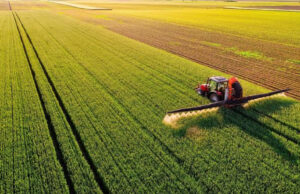
The agricultural revolution eventually made possible developments that would have been difficult to achieve in small, mobile communities. Food surpluses supported population growth, specialized occupations, trade networks, political institutions, and increasingly complex societies.
But the biological cost was substantial. Humans became more sedentary, lived closer together, and exposed themselves to new infectious diseases. Dependence on a handful of crops made food supplies vulnerable to harvest failures. Larger settlements also created conditions for social inequality and competition over land and stored resources.
The strange lesson of the agricultural revolution is that one of humanity’s most consequential transformations did not require anyone to consciously choose a worse way of life. Small, seemingly practical decisions accumulated over thousands of years until entire populations became dependent on a system that was difficult to abandon.
We did not wake up one day and decide to build civilization. We planted a few seeds, stayed a little longer, had more children, planted more seeds, and eventually found ourselves living in a completely different world.
Agriculture changed almost everything about human existence. It also introduced a peculiar bargain: we learned how to produce more food than ever before, and then spent much of our history working to produce enough of it.