
Why Can’t You Remember Being a Baby? The Mystery of Infantile Amnesia
What remains of the person you used to be?
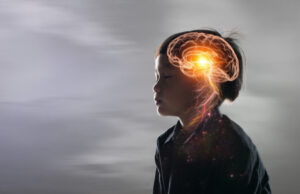
The implications extend beyond the question of why we cannot remember our first birthday or first steps. They touch on a more fundamental problem: how does the brain preserve a sense of personal continuity when so much of its early history is inaccessible?
Infantile amnesia also reveals that memory is far more complicated than a mental recording of events. Experiences can influence learning, behaviour and emotional responses long after conscious recollection has disappeared. The brain retains information about its earliest environment, even when the person living with that information cannot identify where it came from.
Freud gave the phenomenon its enduring psychological significance in the early twentieth century, but more than a century of research has transformed the question into a problem of neuroscience. Scientists are now investigating the physical traces of memories, how they change as the brain develops and what makes them accessible or inaccessible.
Perhaps the strangest possibility is that your earliest memories have never entirely disappeared. Somewhere in the architecture of your brain, traces of the world you first encountered may still exist. You simply have no way of reaching them.