
Scientists Are Finally Getting Closer to Explaining Why We Dream
The sleeping brain is still working
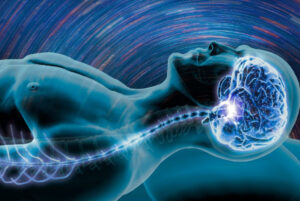
This helps explain why dreams can be simultaneously chaotic and intensely personal.
Your brain does not simply shut down when you fall asleep. Different networks change their activity, memories are reactivated and emotional information is processed. REM sleep is particularly associated with vivid mental imagery and emotional experiences, while research has connected dreaming with the processing and consolidation of emotionally significant memories.
The emerging theories give those strange midnight narratives a functional role. Flying, falling, meeting strangers and returning to places that no longer exist may be the subjective surface of deeper computational processes: reorganizing memories, testing predictions, connecting distant ideas and updating an internal model of the world.