
It’s Getting Hot In The Artic – Where Is The Winter Going?
What Happens When Winter Disappears?
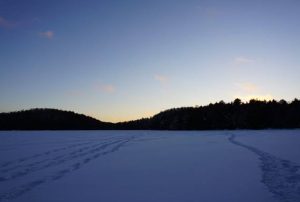
The consequences extend well beyond temperature records. Sea ice is a physical barrier between the ocean and atmosphere, limiting exchanges of heat and moisture. Its decline changes marine habitats, disrupts ecosystems, and creates new challenges for Indigenous communities whose livelihoods and cultural practices depend on predictable seasonal conditions. Thinner, younger ice also opens Arctic waters to increased shipping and industrial activity.
On land, warmer and wetter conditions alter snow cover, vegetation, permafrost, and the timing of seasonal thaw. Greenland’s ice sheet continues to lose mass, contributing to rising sea levels. Changes in the Arctic also interact with atmospheric and oceanic circulation farther south, linking polar warming to climate conditions across the Northern Hemisphere.
Winter remains a defining feature of the Arctic, but the physical processes that sustain it are changing. Less sea ice means more ocean heat entering the atmosphere; more atmospheric moisture means more heat retained near the surface; and altered circulation brings additional energy into an already warming region.
The Arctic’s record temperatures are the visible outcome of this interconnected system. Each winter now unfolds against a warmer baseline, with feedbacks that help preserve the heat and make recovery of the old conditions increasingly difficult. The question of where winter is going has an increasingly clear answer: it is becoming shorter, warmer, and less capable of restoring the frozen environment that once defined the Arctic.