
Aging Is Becoming a Drug Target. The Question Is Whether It’s a Disease
What Does It Mean to Treat Aging?
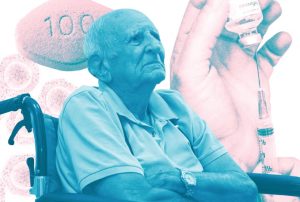
The ultimate question is whether aging should be classified as a disease, a collection of diseases, or a biological process that medicine has simply learned to tolerate.
The distinction has practical consequences. If aging becomes a recognized therapeutic target, interventions could be developed and prescribed before patients become seriously ill. Prevention could move upstream, addressing the shared biological mechanisms behind multiple conditions instead of treating each one after symptoms appear.
Even modest extensions of healthy life could have profound effects when applied across millions of people. A few additional years of mobility, independence, and cognitive function would change the experience of old age for individuals and reshape the demands placed on healthcare systems.
The emerging longevity industry is built around a radical proposition: the deterioration associated with aging may be sufficiently modifiable to become a central objective of medicine.
The first generation of treatments may produce incremental gains. The regulatory framework, however, could outlast any individual drug. Once aging becomes something medicine can formally measure and target, the boundary between treating disease and treating the passage of time begins to shift.
The question is no longer simply how long humans can live. It is whether medicine will eventually regard the biological process of getting older as one of its primary therapeutic targets — and how much of human life could change if it does.