
Aging Is Becoming a Drug Target. The Question Is Whether It’s a Disease
The Drugs Already on the Table
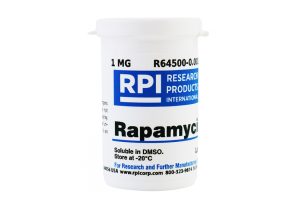
Rapamycin, a drug originally developed to prevent organ transplant rejection, has become one of the most closely studied candidates for extending lifespan. In a landmark mouse experiment, researchers found that administering rapamycin late in life increased maximum lifespan by approximately 9% in males and 14% in females. The drug inhibits mTOR, a cellular pathway involved in growth, metabolism, and the regulation of aging.
The significance is that the intervention worked even when treatment began relatively late in life. Rather than requiring a lifetime of preventive measures, it suggested that some mechanisms underlying aging remain modifiable after the damage has accumulated.
Metformin, a widely prescribed diabetes medication, is at the centre of another major effort: the Targeting Aging with Metformin (TAME) trial. Its objective is to investigate whether the drug can delay the onset of multiple age-related conditions. The project has spent years pursuing a regulatory breakthrough that could reshape longevity research: FDA acceptance of a composite endpoint that measures outcomes across several diseases associated with aging.
That precedent matters enormously. Aging itself has historically lacked recognition as a disease indication for drug approval. A framework for evaluating interventions against multiple age-related outcomes could give researchers a path toward testing treatments designed to improve the aging process as a whole.
The pharmaceutical industry is also approaching longevity through GLP-1 receptor agonists such as semaglutide. Already transforming the treatment of obesity and diabetes, these drugs are now attracting attention for their potential effects on biological aging. Company-reported analyses have identified differences in molecular aging clocks equivalent to roughly two or three years, while an epigenetic sub-study associated with Eli Lilly’s incretin-based treatment found that all 15 clocks examined indicated younger biological ages than chronological time would predict.
These measurements are early signals, but they illustrate the direction of research: treatments developed for one purpose are being investigated for their ability to influence the underlying biology of aging.